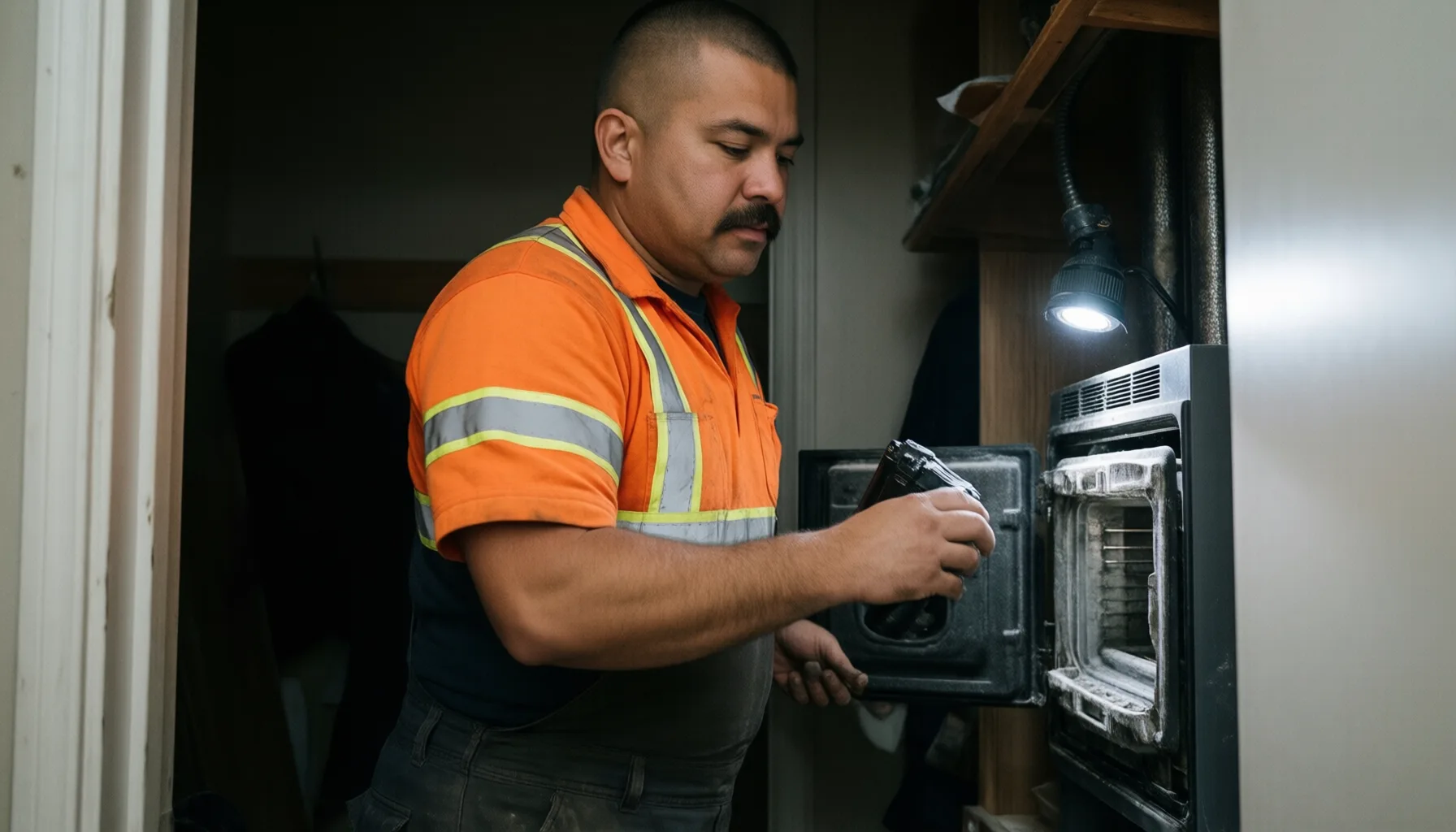
The Link Between Your HVAC System and Mold in Jacksonville
Published: 2026-10-15 · By ChillFactor AC Repairs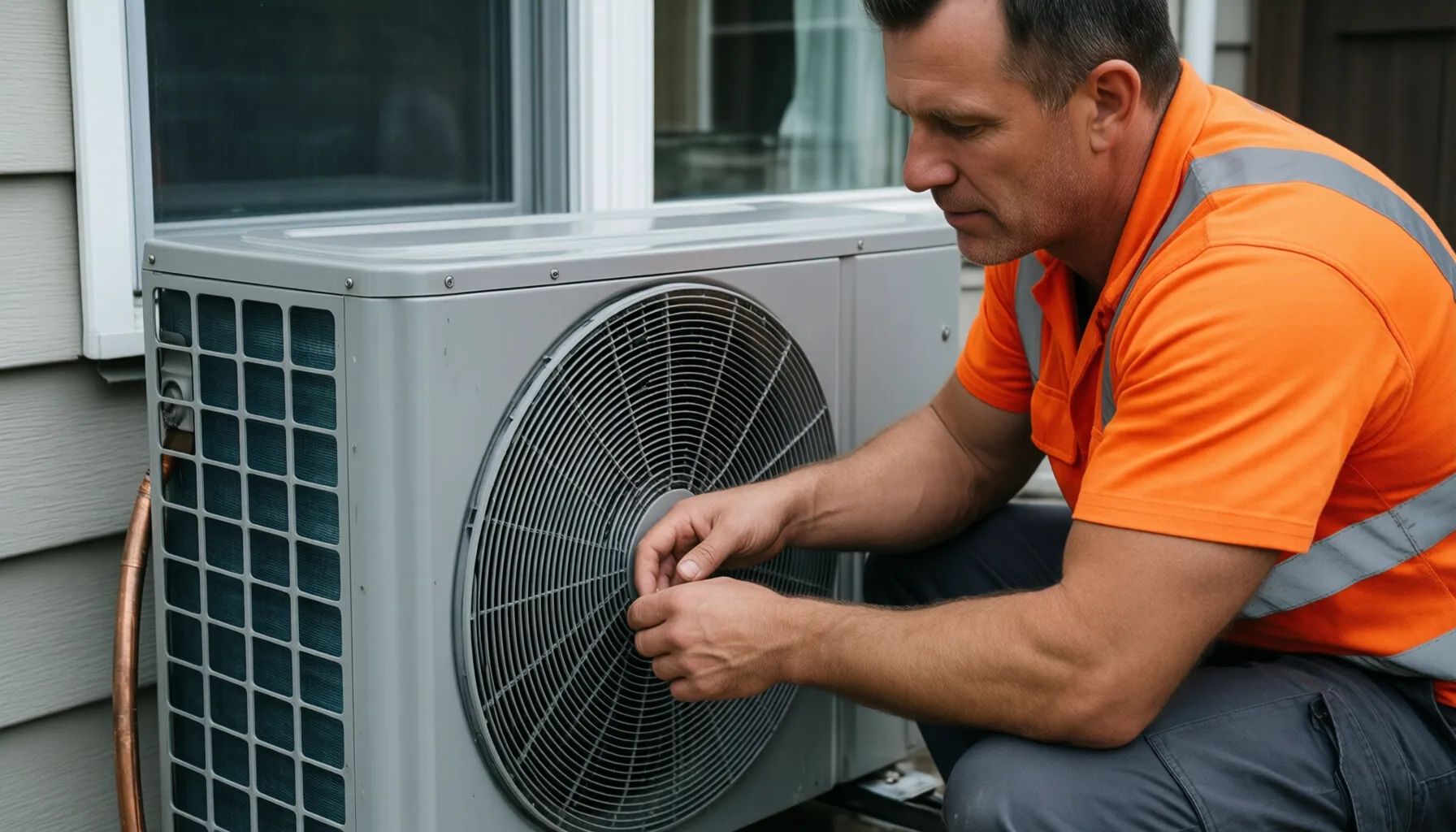
In Jacksonville, many homeowners enjoy the warm climate and coastal beauty, but these perks come with hidden challenges, particularly when it comes to your HVAC system. With high humidity, salt air exposure, and the threat of tropical storms, maintaining clean air quality has never been more crucial. Mold can build up quickly in humid environments, especially when air conditioning units aren’t functioning optimally. It’s essential to understand how the state of your HVAC system directly impacts indoor air quality, making regular maintenance not just a luxury but a necessity for your family's health.
Why This Matters for Jacksonville Homeowners
Mold thrives in moist environments, and Jacksonville's climate provides the perfect conditions for its growth. The combination of high humidity and salt-laden air can lead to rapid deterioration of HVAC components, fostering an environment where mold can flourish. Many households experience inadequate airflow due to blocked vents or dirty air filters, meaning that even the most efficient systems can struggle to manage indoor humidity effectively. This not only compromises comfort but can also lead to significant health risks, especially for allergy sufferers.
Around coastal areas, the salt air can accelerate wear-and-tear on HVAC units, increasing the likelihood of system failures. Consequently, Jacksonville residents could face expensive repairs while still dealing with allergy irritants circulating in their homes. Additionally, during hurricane season, heavy rains contribute to moisture intrusion, further compounding the mold problem.
Regular HVAC maintenance is crucial to prevent mold growth. Neglecting this can lead to costly mold remediation later on.
Expert Solutions & Actionable Tips
1. Regular System Inspections
Scheduling bi-annual inspections of your HVAC system is essential. This service generally costs between $80 to $150 and can help identify mold issues before they escalate. In Jacksonville, humidity can lead to mold growth in just a matter of weeks. Engaging a trusted service provider can ensure that filters, coils, and drip pans are clean, enhancing overall efficiency.
2. Utilize Dehumidifiers
Investing in a dehumidifier can cost between $200 and $600 but is effective in cutting down humidity levels inside your home. In high-humidity conditions like those in Jacksonville, running a dehumidifier in tandem with your HVAC system can significantly diminish moisture, making it less likely for mold to develop.
3. Seal Ductwork
Keeping your ductwork sealed can prevent outside air from entering, which can carry moisture and mold spores. Duct sealing usually costs around $250 to $500, but it can lead to improved indoor air quality and energy efficiency. Ensuring that your system runs smoothly and efficiently is paramount in maintaining a healthy indoor environment.
4. Maintain a Consistent Temperature
Setting your thermostat to a consistent temperature can help in mitigating mold growth. Aim to keep your home between 70-75°F. Fluctuating temperatures create condensation, ideal for mold proliferation. Consistency can lower your electric bill by preventing systems from overworking, ultimately saving you both energy and maintenance costs.
5. Monitor Indoor Humidity Levels
Using a hygrometer can help you monitor your home's humidity levels. Ideally, keep the humidity below 60%. A hygrometer typically costs around $15 to $40 and can help maintain a healthy environment. If levels exceed 60%, take prompt action by running your HVAC system more frequently.
6. Regular Filter Changes
Changing air filters every 1 to 3 months is vital for maintaining air quality and reducing mold spores. Filters cost approximately $10 to $50 depending on quality. Clogged filters can obstruct airflow, leading to increased humidity. By maintaining clean filters, you can ensure that your HVAC system operates effectively all year long.
Jacksonville Climate & Local Context
Jacksonville's unique climate conditions, marked by high humidity and the prevalence of salt air, exert significant stress on HVAC systems. Homes with raised structures or moisture barriers are common as they combat issues related to flooding and moisture infiltration. Local building codes often necessitate the use of materials resistant to corrosion, further emphasizing the need for specialized HVAC solutions that cater to these environmental factors.
The area's specific demands require that homeowners not only consider the effectiveness of their HVAC systems but also adhere to local regulations regarding maintenance and installation. Permits may be necessary for certain installations or repairs, particularly those involving extensive changes to ductwork or systems. Familiarizing yourself with these codes is critical for ensuring compliance and maintaining your system’s efficiency.
When to Call a Professional
Determining when to tackle HVAC repairs on your own versus when to call a professional can save you both time and potential costs. Minor issues, such as replacing an air filter or adjusting the thermostat, are typically manageable for the average homeowner. However, there are specific scenarios in which professional assistance is required.
- If your HVAC system is blowing warm or inconsistent air
- Strange noises or vibrations are present during operation
- Excessive humidity or water pooling near the unit
- Odors emanating from vents or the unit itself
- If you've experienced a significant rise in energy bills without explanation
- Visible mold or mildew in the system or surrounding areas
- If the system is cycling on and off frequently
- New thermostat installation or intricate repairs
In these cases, it's best to consult professionals like ChillFactor AC Repairs to ensure effective and safe solutions tailored to your specific needs.
Frequently Asked Questions
What should I do if I find mold in my HVAC system?
If you discover mold in your HVAC system, it's crucial to contact a professional like ChillFactor AC Repairs. They can assess the extent of the problem and determine the best course of action for safe removal and prevention.
How often should I change my HVAC filters?
In Jacksonville's humid climate, changing your HVAC filters every 1 to 3 months is recommended to ensure optimal airflow and reduce mold spores in your home.
Can I use a regular air filter instead of a specialized one?
No, especially in Jacksonville, where salty air can damage standard filters. It's advisable to invest in high-efficiency filters that are specifically designed to trap tiny particles, including mold spores.
Are there any HVAC maintenance packages offered in Jacksonville?
Yes, many companies, including ChillFactor AC Repairs, offer comprehensive maintenance packages that include regular inspections and filter changes to help keep your HVAC system running efficiently.
What are the signs that my HVAC system is unbalanced?
Signs of an unbalanced HVAC system include fluctuating temperatures throughout the house, excessive humidity, or rooms that feel stuffy. If you notice these, it’s advisable to consult a local HVAC expert.
Get Expert HVAC Service in Jacksonville
Maintaining a healthy home environment in Jacksonville is essential for comfort and well-being. If you suspect issues with your HVAC system or want to schedule a routine check-up, don’t hesitate to call (904) 848-7245. ChillFactor AC Repairs is here to help you enhance indoor air quality and comfort.
Your local HVAC specialists can ensure your system runs smoothly, reducing the risk of mold and other air quality issues. Reach out today!